



Split-Phase Home Solar Monitoring for North American 120/240V Systems
Monitor Home Solar, Grid Import/Export, and Consumption in a Split-Phase System
Most homes in the United States and Canada use a split-phase electrical system. For many residential solar installations, this means the homeowner needs to understand not only total solar production, but also how much power is imported from the grid, exported back to the grid, and consumed by the home in real time.
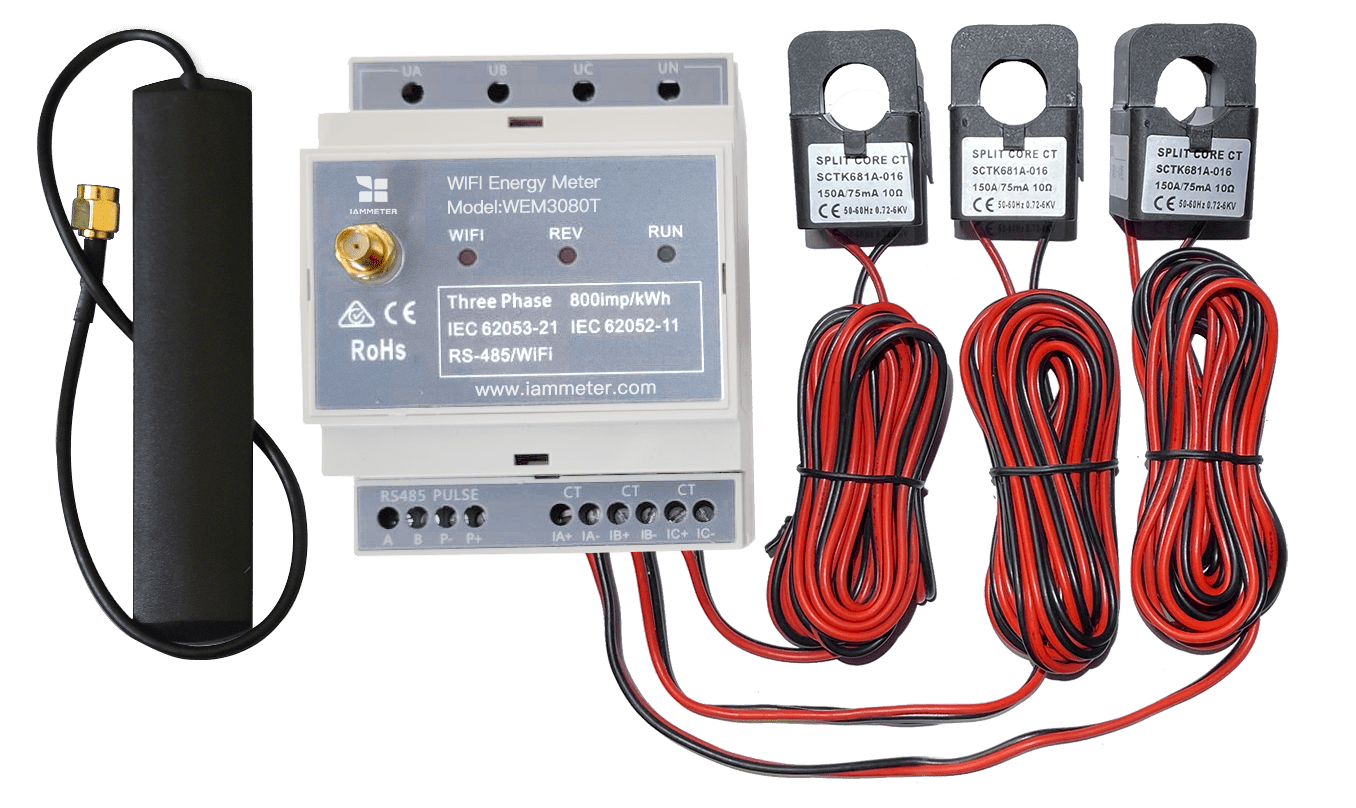
IAMMETER's Wi-Fi energy meters can be used to monitor North American 120/240V and 120/208V split-phase systems, including home solar PV systems, net metering scenarios, and Home Assistant energy dashboards. With the CTCratio parameter, one IAMMETER three-phase meter can monitor two grid legs and estimate the total solar inverter output from one inverter leg when the inverter output is balanced.
This setup is useful for homeowners, solar installers, and DIY Home Assistant users who want a practical way to monitor a split-phase home solar system without relying only on the inverter app.
Related IAMMETER resources:
- WEM3050T Three-Phase Energy Meter
- WEM2067 Split Phase Wi-Fi Energy Meter
- Solar Energy Monitoring Solution
- Home Assistant Integration
Why Split-Phase Monitoring Matters for Home Solar in North America
In a typical North American home, power is supplied by two hot wires, L1 and L2, plus neutral. Large loads such as HVAC systems, dryers, and EV chargers may use 240V across L1 and L2, while ordinary household circuits use 120V from either leg to neutral.
For solar monitoring, this creates several common questions:
- How much solar power is the PV system producing right now?
- Is the home importing power from the grid or exporting surplus solar energy?
- How much electricity is the house consuming after solar generation is considered?
- How much solar energy is self-consumed instead of exported?
- Can the data be sent to Home Assistant for local dashboards and automation?
Answering these questions requires bidirectional monitoring on the grid side and reliable solar production monitoring. IAMMETER provides real-time power, voltage, current, energy import/export, and cloud or local integration options for this type of setup.
Understanding 120/240V and 120/208V Split-Phase Systems
The two most common North American residential and light commercial configurations are:
- 120/240V split phase: A single-phase 3-wire system with two hot wires, L1 and L2, plus neutral. The voltage from L1 to L2 is 240V, while each hot wire to neutral is 120V. The two hot wires are 180 degrees apart.
- 120/208V system: Often found in apartment buildings or commercial sites. The voltage from each line to neutral is 120V, while the voltage between two lines is 208V because the phases are 120 degrees apart.
Both systems can be monitored by IAMMETER when the CTs and voltage references are installed correctly. For residential home solar in the United States and Canada, 120/240V split phase is the most common case.
A Practical IAMMETER Setup for Split-Phase Solar
For a home solar system, one practical setup is:
- Phase A: Monitor grid leg L1
- Phase B: Monitor grid leg L2
- Phase C: Monitor one leg of the solar inverter output
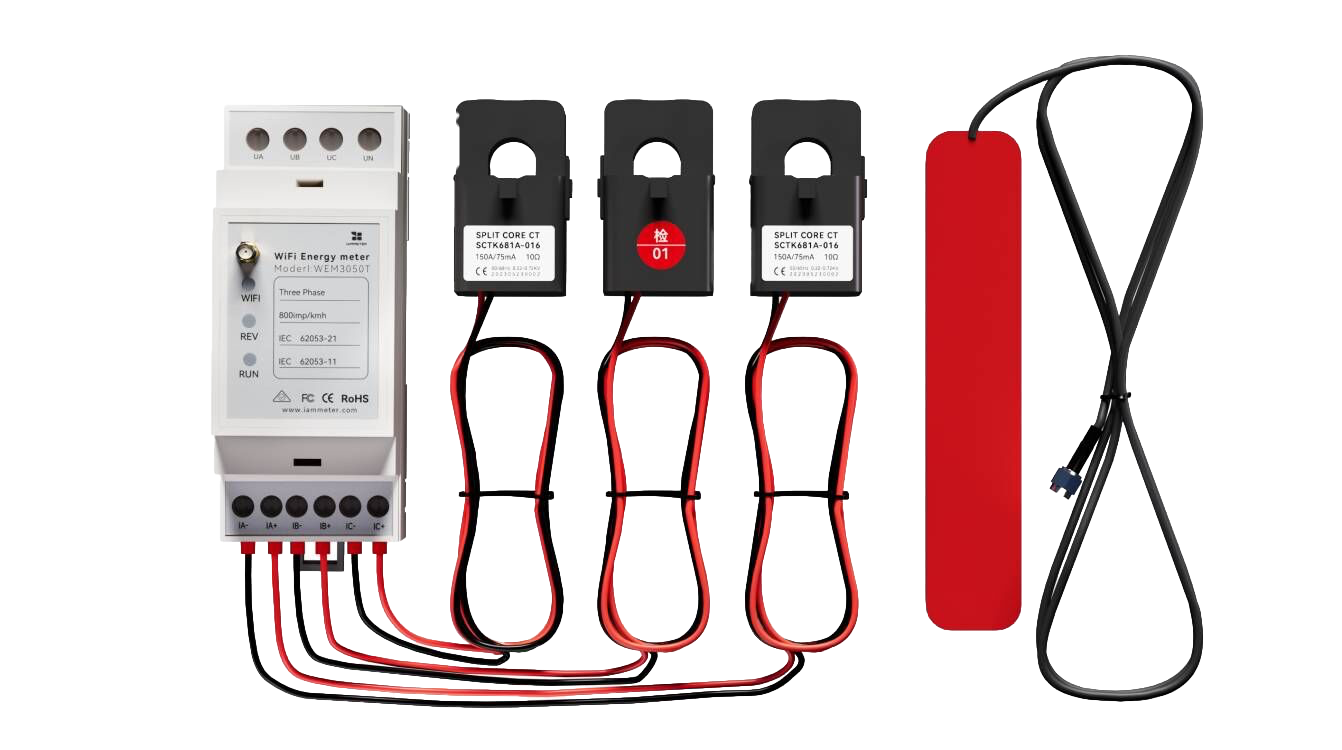
When the solar inverter output is balanced across both hot wires, Phase C can measure one inverter leg and use CTCratio to estimate the total solar production. This keeps the installation simpler while still allowing the system to calculate grid import/export, solar generation, and home consumption.
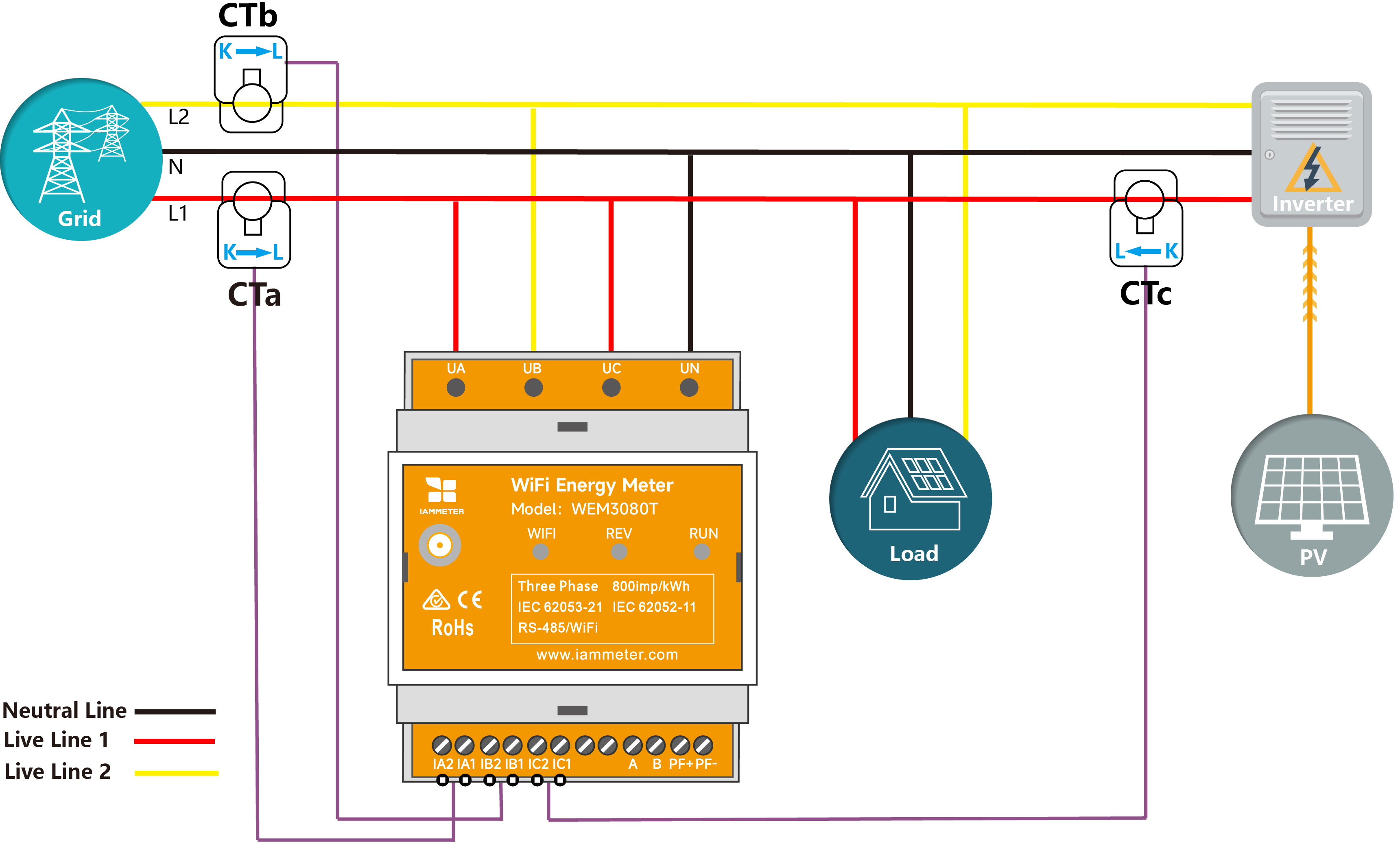
With this configuration, IAMMETER can help answer the questions that matter most in a North American home solar system:
- Real-time solar production
- Grid import and grid export
- Household consumption
- Daily, monthly, and yearly energy trends
- Solar self-consumption analysis
- Data integration with Home Assistant or other systems
Choosing Between WEM3050T and WEM2067
For split-phase and home solar monitoring, IAMMETER has two especially relevant product options.
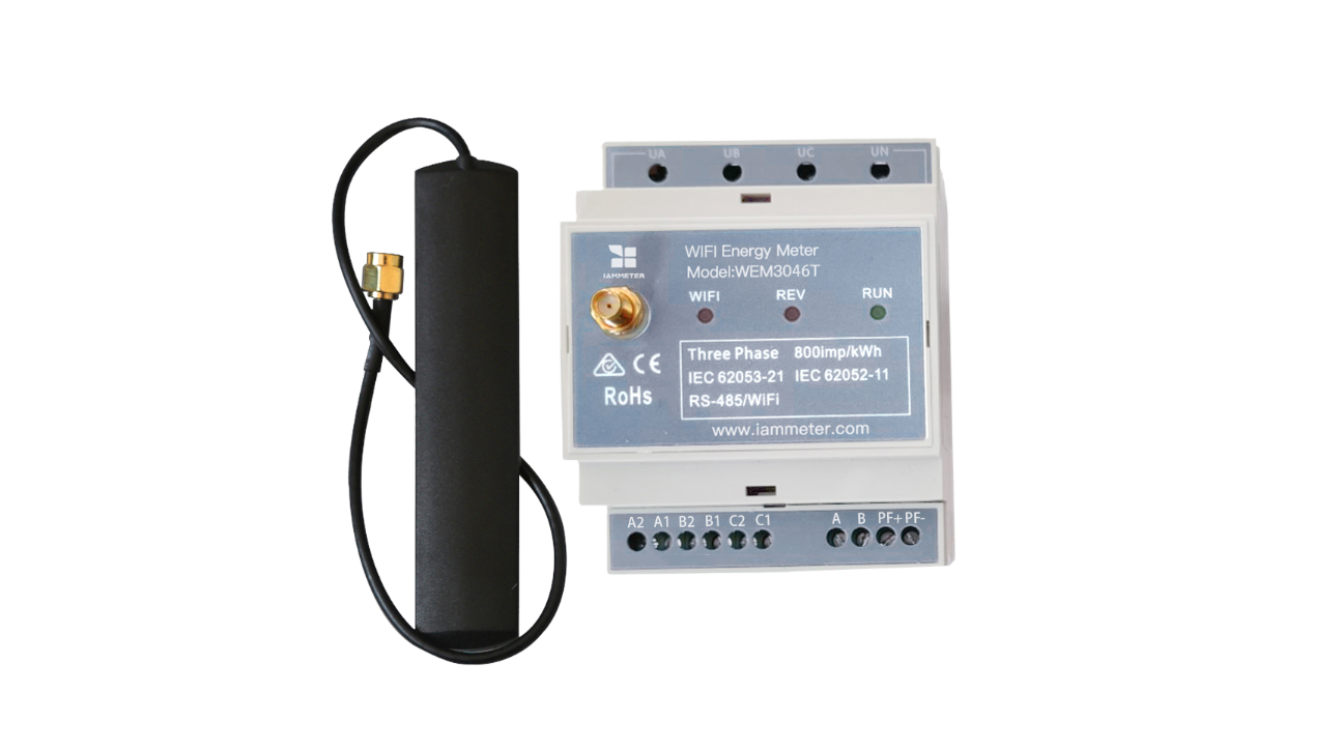
The WEM3050T is a cost-effective three-phase Wi-Fi energy meter that can be adapted to split-phase monitoring. It is a good fit when you want to monitor grid L1/L2 and solar production in one setup.
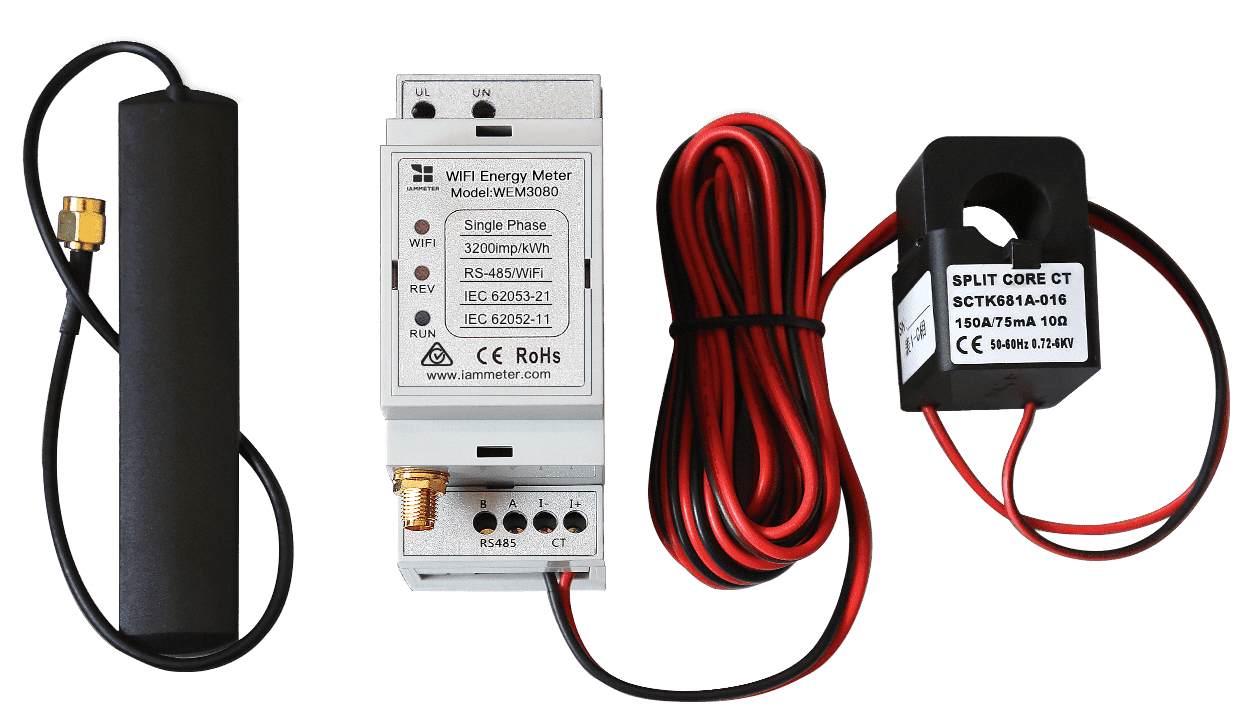
The WEM2067 is designed for split-phase applications and is especially relevant for North American residential energy monitoring. It is suitable when the main requirement is straightforward dual-leg split-phase monitoring.
The best choice depends on whether the project needs only home consumption/grid monitoring, or a broader home solar monitoring setup that includes PV production, grid import/export, and integration with software platforms.
Home Assistant and Local Energy Data
Many North American DIY users want their solar and energy data in Home Assistant. IAMMETER supports Home Assistant integration, allowing users to build dashboards for real-time power, imported energy, exported energy, and solar production.
This can be useful for:
- Viewing home solar performance locally
- Comparing solar generation with household load
- Triggering automation based on surplus solar power
- Tracking grid import/export under net metering
- Combining energy monitoring with EV charging or water heater control
For more details, see IAMMETER Home Assistant Integration and Home Assistant Solar Energy Automation with IAMMETER.
Related Split-Phase Monitoring Resources
The following articles provide more specific background or product details for North American split-phase monitoring:
- Single-phase three-wire system background: explains the 120/240V single-phase three-wire electrical structure used in many North American homes.
- 120/240V and 120/208V monitoring with CTCratio: focuses on how IAMMETER uses the CTCratio setting to estimate balanced solar inverter output from one measured leg.
- WEM3050T split-phase monitoring guide: a product-focused guide for using WEM3050T in North American split-phase systems.
- WEM2067 dual-phase energy meter for home solar: introduces WEM2067 for dual-phase and split-phase home energy monitoring scenarios.
- Split-phase residential PV monitoring for installers: explains an inverter-neutral monitoring approach for residential PV installers.
FAQ
Can IAMMETER monitor a 120/240V split-phase home solar system?
Yes. IAMMETER meters can be used in 120/240V split-phase systems to monitor grid legs, solar production, grid import/export, and home consumption when installed with the correct CT and voltage wiring.
Can I monitor solar import and export for net metering?
Yes. By monitoring the grid connection bidirectionally, IAMMETER can show whether the home is importing power from the grid or exporting surplus solar energy.
Do I need inverter API access?
Not necessarily. IAMMETER measures electrical data directly, so it can monitor solar production and grid exchange independently of the inverter's own cloud app or API.
Can the data be used in Home Assistant?
Yes. IAMMETER supports Home Assistant integration, which is useful for local dashboards, solar surplus automation, and home energy analysis.
Is this only for solar systems?
No. Split-phase monitoring is also useful for whole-home energy monitoring, load analysis, EV charging monitoring, and understanding electricity usage in North American homes.
Summary
For North American home solar users, split-phase monitoring is the key to understanding real energy performance. A practical monitoring setup should show solar production, home consumption, grid import/export, and long-term energy trends.
IAMMETER provides a flexible way to monitor 120/240V and 120/208V split-phase systems, with options for cloud reporting, local integration, and Home Assistant dashboards. This helps homeowners and installers move beyond basic inverter data and understand how solar energy is actually used in the home.